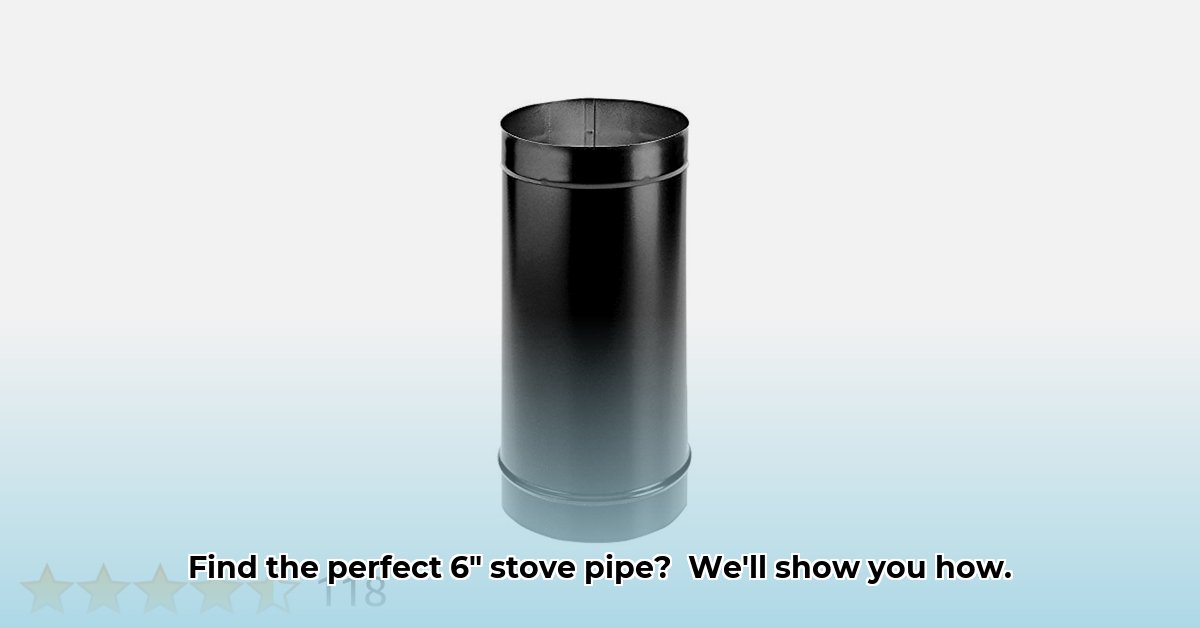
Choosing the right 6-inch stove pipe is crucial for safe and efficient heating, especially if you're using a wood stove in a setting like a workshop or outbuilding on your property. This guide helps you navigate the options available at Tractor Supply, ensuring you find the perfect pipe for your needs. We'll explore key factors, compare different types, and offer recommendations to simplify your decision-making process. Let's get started! For more information on exhaust pipes, check out this helpful resource: exhaust pipe options.
Factors to Consider When Choosing a 6-Inch Stove Pipe
Several key factors influence the selection of a 6-inch stove pipe. Understanding these will help you make an informed choice, ensuring both safety and efficiency.
Material: The Foundation of Durability
The material significantly impacts a stove pipe's longevity and safety. Here's a breakdown of common options:
Galvanized Steel: This is the most affordable option, offering good value for those on a tight budget. However, it's susceptible to rust, especially in humid environments, limiting its lifespan. This might be suitable for temporary use or if budget is a primary concern.
Stainless Steel: Considered the premium choice, stainless steel offers superior rust and corrosion resistance. Its impressive durability translates to a longer lifespan, making it a worthwhile investment despite its higher cost. It's the best option for long-term reliability.
Aluminized Steel: This offers a balance between cost and durability. It's more rust-resistant than galvanized steel but falls short of stainless steel's longevity. It's a good middle ground if you need something more durable than galvanized steel without the premium price of stainless steel.
Material Comparison Table:
| Material | Durability | Rust Resistance | Cost | Lifespan |
|---|---|---|---|---|
| Galvanized Steel | Low | Low | Low | Short |
| Aluminized Steel | Moderate | Moderate | Moderate | Moderate |
| Stainless Steel | High | High | High | Long |
Gauge: Thickness Matters for Strength
The gauge is a number representing the metal's thickness. Lower gauge numbers indicate thicker, stronger pipes. Thicker pipes (lower gauge) are more resistant to damage and offer better heat retention, enhancing both safety and efficiency. Choosing a lower gauge might be more expensive upfront, but translates to added longevity and peace of mind.
Length and Connectors for a Seamless Fit
Accurate measurement is critical. Tractor Supply likely offers standard lengths, so you might need multiple sections. Consider the connector type:
- Slip-fit: Easier to assemble but may not provide the tightest seal.
- Lap joint: Offers a more secure connection but might require more skill for installation.
Ensure your chosen connectors are compatible with your pipe material to prevent leaks, which present both safety and efficiency hazards.
Insulation: Added Safety and Efficiency
Insulated stove pipes offer added safety by reducing surface temperature, minimizing the risk of accidental fires or burns, particularly near flammable materials. They also improve efficiency by reducing heat loss. While this adds to the initial cost, the enhanced safety and potential energy savings often make it a worthwhile investment.
Tractor Supply's 6-Inch Stove Pipe Options: A Comparative Analysis
To provide a comprehensive analysis, we would need access to Tractor Supply's current online catalog. However, the following illustrates how to compare features once you've checked their website or visited a store:
Example Comparison Table (replace with actual Tractor Supply data):
| Product Name | Material | Gauge | Length (ft) | Connector Type | Insulated | Price |
|---|---|---|---|---|---|---|
| Example Pipe 1 | Galvanized Steel | 24 | 4, 8, 12 | Slip-fit | No | $XX.XX |
| Example Pipe 2 | Aluminized Steel | 22 | 4, 8, 12 | Lap joint | No | $YY.YY |
| Example Pipe 3 | Stainless Steel | 22 | 4, 8, 12 | Slip-fit | Yes | $ZZ.ZZ |
(Note: Replace "Example Pipe 1, 2, 3" and the Placeholder Values with actual product details from Tractor Supply's website or store.)
Recommendations
Based on the factors outlined above, here are some general recommendations (specific recommendations require access to current Tractor Supply offerings):
- Best Overall: Stainless steel with a lower gauge for superior durability and longevity.
- Best Budget Option: Galvanized steel for cost-effective needs (understanding its shorter lifespan).
- Best for Longevity: Stainless steel, higher price justifies longer life.
Safety Considerations: Prioritizing Safe Operation
Safe installation and use are paramount. Remember these vital safety precautions:
- Maintain Proper Clearance: Adhere to local fire codes and maintain sufficient clearance between the pipe and combustible materials.
- Secure Connections: Ensure all joints are tightly sealed to prevent leaks and carbon monoxide buildup.
- Regular Inspection: Periodically inspect for damage, rust, or cracks. Replace damaged sections immediately.
- Professional Installation (if needed): Consult a professional if unsure about installation.
Conclusion: A Warm and Safe Home
Choosing the right stovepipe is a crucial step in ensuring efficient and safe heating. By considering the factors we've discussed and comparing Tractor Supply's options, you can make the best informed buying decision. Remember to always prioritize safety!